
Answers that actually apply to your mobile home.
Written for U.S. manufactured & mobile homes — not site-built houses.
The doors are a different size. The water heater has to be sealed-combustion. The roof has almost no pitch and the house sits on piers, not a slab. Generic home improvement advice gets all of that wrong, and following it costs you a return trip to the store on a good day and a failed inspection on a bad one.
Start with these
If you have just bought the home, or you are about to, these are the two pages everything else depends on — plus the surprise that catches almost everyone on their first repair.
- How to Find the HUD Tag on a Mobile Home The metal plate on the outside is what proves the home was built to the federal code. Where it is, what the numbers mean, and what to do when it has been painted over or lost.Buying & Selling
- What Is a Manufactured Home Data Plate and Where Do You Find It? The paper label inside the home carries the wind zone, the roof load and the appliance list. Almost every specific question about your home is answered on it.Buying & Selling
- Mobile Home Exterior Door Sizes: Why Standard Doors Don’t Fit The first repair where the part on the shelf turns out to be the wrong part. The sizes that actually exist and where to buy them.Interior & Remodeling
Three reasons the generic advice doesn’t work
A manufactured home is built to a federal construction code, in a factory, to be towed down a highway. Almost every difference that trips owners up comes from one of those three facts.
The parts are a different size
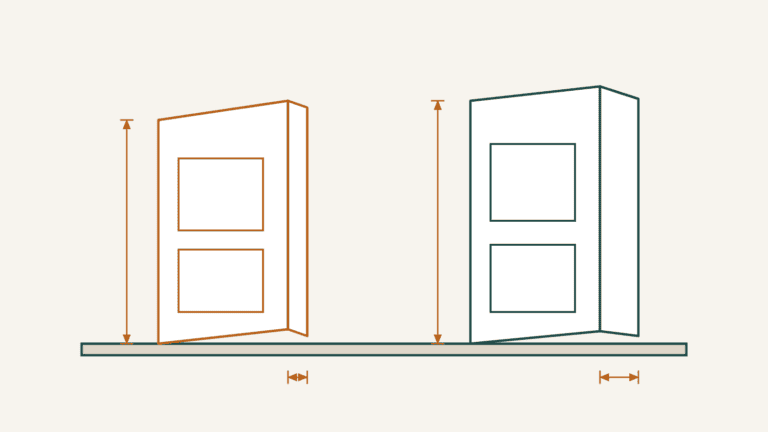
Interior doors are usually 1⅜ inches thick against the 1¾ inches a big-box store stocks. Exterior door openings, tub lengths, faucet centers and furnace filters all run to their own dimensions. The part on the shelf is not the part you need, and nothing on the box will tell you that.
The appliances are code-specific
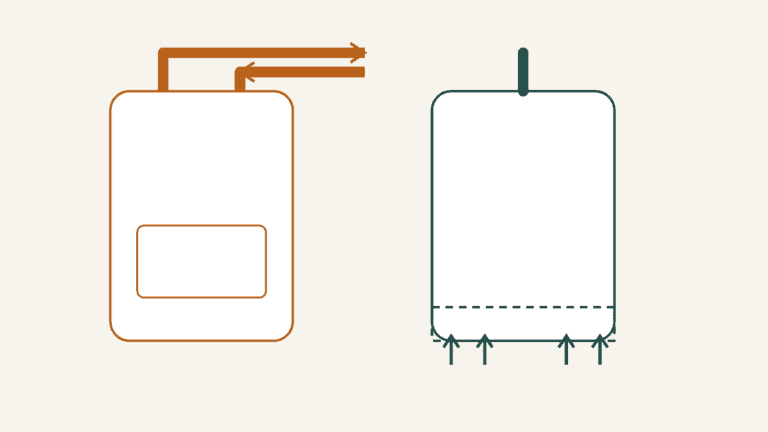
A gas water heater installed inside a manufactured home has to be a sealed-combustion, direct-vent unit approved for manufactured housing: it takes its air from outside and exhausts outside, with no opening into the living space. Furnaces are their own category too. Neither is interchangeable with the unit sold for a site-built house.
The structure is not a house
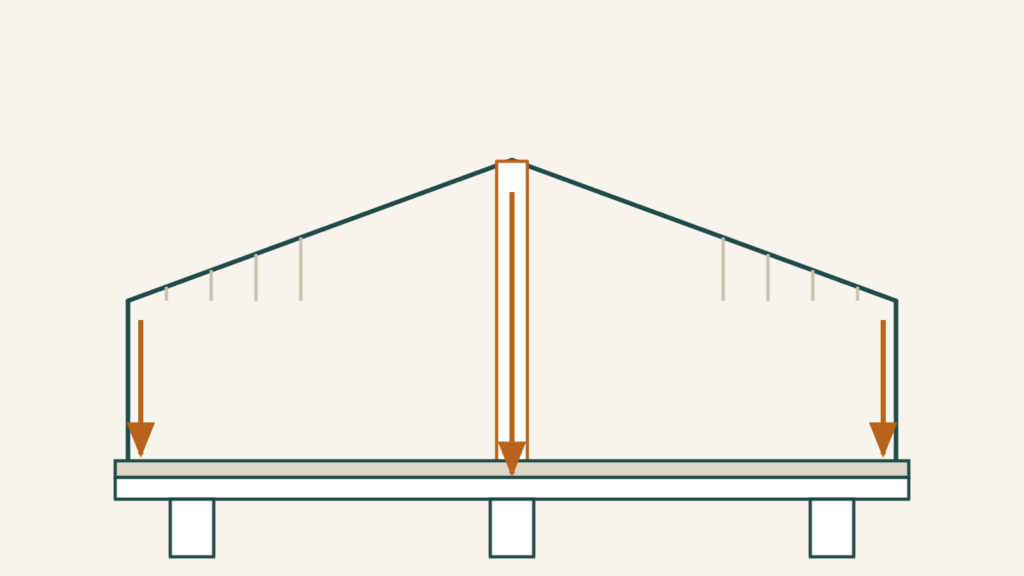
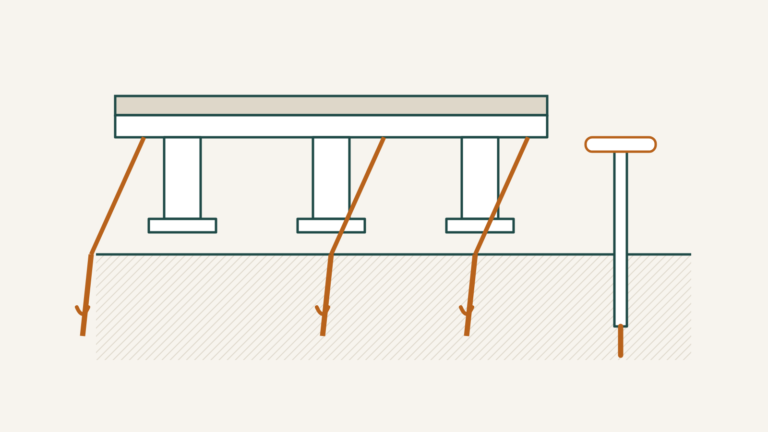
Piers and tie-downs instead of a foundation. A roof with almost no pitch. A floor built as a sandwich over a belly wrap rather than over a crawl space you can stand in. Leveling, roofing and floor repair all follow different rules because of it.
Latest guides
- PEX vs Polybutylene: How to Tell What You Have
 PEX vs polybutylene comes down to a stamp on the pipe, not its color. How to identify yours, what the claim deadlines were, and what it means for resale.
- Mobile Home Shower Surround: Sizes and Replacing
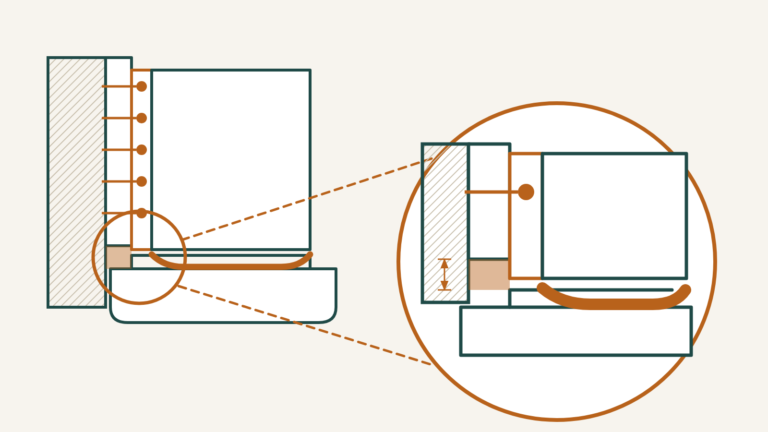 A mobile home shower surround is a different size and a different wall than a house. What the HUD code requires, and the seal that protects your floor.
- Mobile Home Furnace Not Igniting: What to Check
 A mobile home furnace not igniting is usually one of six things you can check yourself. Where the line is, and the reset button you must never press.
- Buying a Used Mobile Home: What to Inspect First
 Buying a used mobile home turns on paperwork before condition. The label, the data plate, the title, and the eight minutes under the home nobody spends.
- Soft Spot in a Mobile Home Floor: Causes and Fixes
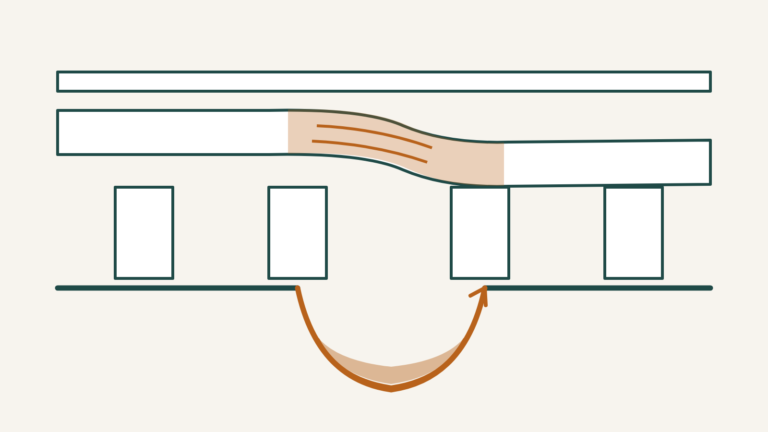 A soft spot in a mobile home floor is a symptom, not the problem. How to find the water first, what the HUD code allows, and what the repair costs.
- Mobile Home Releveling: The Signs to Look For
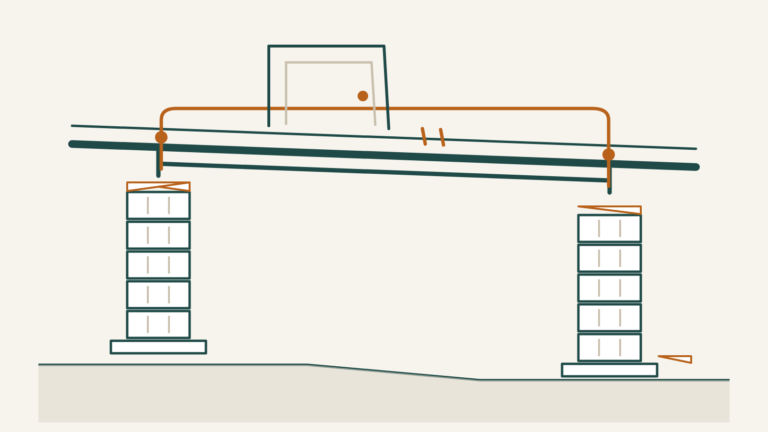 Mobile home releveling has no federal standard, because the code only covers new installs. The one number that does exist, and the signs worth acting on.
Free: the 27-point inspection checklist
The 27 things to check before you hand over money for a used manufactured home — the HUD tag, the data plate, the floor, the roof, the tie-downs and the paperwork. One printable page, in the order you should walk the home.
No spam, and you can unsubscribe from any email. We handle your address as described in our Privacy Policy.
Browse by what’s giving you trouble
- Buying & Selling HUD tags, data plates, book value, titles, moving the home.
- Plumbing & Water Why standard fixtures don’t fit, leaks, frozen lines, water heaters.
- Interior & Remodeling Soft floors, VOG panels, door sizes, flooring that holds up.
- Heating, Cooling & Insulation Furnaces, crossover ducts, filters, mini-splits, insulation.
How every guide here gets written
This site is a compilation-and-verification project. The information manufactured home owners need already exists, but it is spread across federal regulations, state agency documents, manufacturer installation manuals and parts catalogs, none of which were written for homeowners to read. The work is finding it, checking it and putting it in plain English with the numbers intact.
- Primary sources first. Where a fact comes from a regulation, the guide goes to the regulation — the federal construction standards in 24 CFR 3280, the installation standards in 24 CFR 3285, and the state programs that handle everything else.
- Manufacturer documentation for anything model-specific. Installation manuals and parts catalogs are the authority on what fits what. Retail listings only confirm what you can currently buy.
- Every number gets a source and a date. Costs and availability go stale, so you can see how current a figure is before you act on it.
- It says when it varies by state, and when it doesn’t know. A guide that hedges honestly is more useful than one that is confidently wrong about the clearance around your water heater.
No manufacturer, dealer, park operator, lender or insurer pays for coverage here or sees a guide before it is published.
What this site will not do
It will not replace a licensed installer, a home inspector, an electrician or a plumber. Anything involving gas, electrical systems, structural members or anchoring belongs to someone qualified and, where your state requires it, permitted. Guides covering titles, loans, insurance and park tenancy explain how those things generally work; they cannot tell you what your lease, your policy or your state statute says.
It is also not affiliated with HUD or with any company in the industry.
Found something wrong? Tell us.
Manufactured housing is a field where specifications changed year to year, manufacturers merged and disappeared, and state rules keep moving. Errors will happen. When they do, corrections are made to the guide itself and noted at the bottom with the date — not buried in a comment.
admin@mobilehomehandbook.com — or use the contact page. It is a one-person site, so replies take a few days rather than a few minutes, but they do come.